About the
ESG Summit Türkiye 2026
Advancing Global ESG Standards & Policy
The ESG Summit – Türkiye 2026, an initiative of the Global Peace Summit, will convene a high-level, multi-stakeholder platform focused on advancing ESG integration across capital markets, corporate governance, sustainable finance, climate risk management, and transition planning. The summit will bring together regulators, institutional investors, multilateral institutions, rating agencies, listed companies, policy experts, and sustainability practitioners to examine emerging global standards, regulatory convergence, disclosure frameworks, and the role of ESG in long-term value creation and systemic resilience.
Set within Türkiye’s strategic position as a bridge between major regional economies, the summit will explore cross-border ESG financing, climate-aligned investment, supply chain transparency, decarbonization pathways, and data-driven sustainability reporting. It will serve as a forum for technical dialogue on taxonomy development, stewardship, impact measurement, and policy harmonization, supporting a more integrated and globally aligned sustainability agenda.
Beyond the summit, the Global Peace Summit will continue to deepen the conversation through policy engagement, research-led insights, and institutional collaboration, contributing to the development of robust ESG architectures, sustainable financing mechanisms, and scalable governance models that can support inclusive growth, climate resilience, and global sustainability objectives.
Highlights from
The ESG Summit - Pakistan 2025


Keynote Speakers
& Guests
The ESG Summit - Türkiye 2026

Mr. Akif Saeed
Ex Chairperson, SECP

Mr. Shozab Majeed
Consultant, World Bank

Mr. Saleem Ullah
Deputy Governor, SBP

Mr. Zeeshan Khattak
Commissioner, SECP

Mr. Assad Hameed
CEO, ACCA Pakistan

Ms. Raheela Saad
Deputy Auditor General, Pakistan

Ms. Musarat Jabeen
Executive Director ESG, SECP

Mr. Fiaz Chaudhry
Chairman, NTDC

Mr. Faisal Shafaat
Senior Joint Director, SBP

Mr. Mehmood Arshad
GM Marketing, PakQatrar Takaful

Mr. Farrukh Ahmed
Head of ESG, PSO
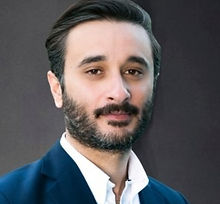
Mr. Fahad Rehman
Head of ESG, Jazz

Ms. Rajaa Bukhari
Head of Sustainability, EFU Life

Ms. Fauzia Khan
Director Sustainability, Crowe Pakistan

Ms. Sarah Kazmi
Partner, Energy Resource Management

Mr. Zulqarnain Haider
Vice President, Meezan Bank

Ms. Sumaira Khan
CEO, GAIA International
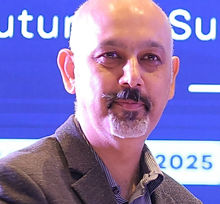
Mr. Akber Mehmood Shirazi
Director IT, NEECA
Agenda
Taxonomy and Governance Frameworks in Pakistan
The session on Taxonomy and Governance Frameworks explored steps to establish a credible ESG architecture in Pakistan. Moderated by Mr. Shozab Majeed (World Bank / Global Peace Summit), it featured senior representatives from SECP, SBP, ACCA, and the Auditor General’s Office. The panel emphasized a unified national taxonomy, consistent oversight, and standardized ESG reporting and assurance. Ms. Musarat Jabeen highlighted SECP’s ESG roadmap—mandatory disclosures (2025–2027), IFRS S1/S2 alignment, sustainability committees, a centralized data portal, and gender pay and bond initiatives. Mr. Faisal Shafaat detailed Pakistan’s Green Taxonomy, developed through consultation with 300+ stakeholders and aligned with the EU framework, to guide green finance. Mr. Assad Hameed Khan underscored awareness, skills, and incentives like concessional financing. Ms. Raheela Zahid called for unified regulation, credible data, and management training. The panel agreed that taxonomy, assurance, and disclosure must evolve together to attract global capital. Mr. Majeed concluded that effective governance and independent verification are vital to prevent greenwashing and enhance competitiveness.
From Policy to Practice: Climate Action and Corporate Responsibility
The session on Climate Action and Corporate Responsibility explored how Pakistani organizations can convert ESG and sustainability commitments into measurable action. Moderated by Ms. Raja Bukhari (EFU Life Assurance), the panel included representatives from PSO, Energy Resource Management, Gaia International, and HCC/Crowe Pakistan. Ms. Sara Kazmi discussed the global legal context, noting that the EU Corporate Sustainability Due Diligence Directive (2023) will soon require Pakistani exporters to meet stringent ESG disclosure standards. Ms. Samera Khan identified readiness gaps such as weak recycling systems, poor enforcement, and reliance on informal waste networks involving child labor, urging policy alignment and structured recycling reforms. Mr. Farooq Ahmed shared PSO’s integration of ESG targets into performance systems, supplier training, and Scope 3 emission planning. Ms. Fauzia Sabdar Khan stressed ESG’s role in financial governance and global competitiveness through IFRS S1/S2 alignment. The panel agreed on priorities—credible data, technical capacity, incentives, and collaboration—while Ms. Bukhari concluded that coordinated action can transform ESG from regulation to resilience.
Shariah-Compliant ESG Investing & Sustainable Finance
The third panel, moderated by Mr. Zulqarnain Haider (Vice President, Meezan Bank), explored how Islamic finance and ESG values can converge to create an ethical, sustainable financial ecosystem. The discussion focused on using Sharia-compliant instruments to advance the UN SDGs through supportive regulatory and institutional frameworks. Dr. Salman Shaikh (IIUM) explained how the Maqasid al-Sharia naturally align with ESG and SDG goals, linking Islamic ethics of justice, stewardship, and equity to sustainability principles. Mr. Syed Mazhar Abbas (SECP/PSX) noted that merging ESG with Sharia enhances investor trust and local ownership, positioning Pakistan as a leader in faith-based sustainable finance through tools like green Sukuk. Mr. Mohammad Islam Ahmad (SBP) emphasized regulatory coherence, recalling Jinnah’s vision of an Islamic system rooted in equality and social justice. Mr. Mahmood Arshad (Pak-Qatar Takaful) urged academia–industry partnerships to strengthen ESG and Islamic finance education. The panel’s key recommendations included policy harmonization between Sharia and ESG, tax and financing incentives, capacity building, financial inclusion, and a national Maqasid-based sustainability framework. Concluding, Mr. Arshad reminded that ESG principles are intrinsic to Islam—what remains is to operationalize them through action and effective governance.
Harnessing AI and Big Data for Governance and Reporting in Pakistan
The session on AI, Technology, and ESG Integration, moderated by Ms. Zunera Umar (CEO, TheSquarePeg), explored how emerging technologies—particularly AI, data analytics, and digital innovation—can enhance governance, transparency, and ESG reporting in Pakistan. Ms. Umar emphasized AI as a trust-building tool, aligning with Pakistan’s National AI Policy and net-zero goals. Mr. Fahad (Jazz) shared how the company evolved from CSR to tech-driven ESG, using AI and big data for emissions tracking, disaster response, and IoT-based energy efficiency, including solar-powered telecom towers. Mr. Shirazi (NEECA) highlighted national initiatives like the Energy Labeling Regulation, Energy Conservation Building Code, and the Energy Information House, stressing the need for strong standards and capacity building before AI-driven reporting. Ms. Razia underscored scalable ESG tools for SMEs to align with global standards. The panel agreed that public–private collaboration, skill development, and integrated data systems are vital to transform AI from a compliance tool into a driver of trust, innovation, and sustainable growth.

Venue & Theme
Islamabad Marriott Hotel
Theme: Driving Sustainable Growth: ESG as a Catalyst for a Resilient Future
Audience: Corporations, government bodies, policymakers, investors, ESG analysts, academics, and journalists.
01
25
250+
DAY
SPEAKERS
PARTICIPANTS

Message from the Chairman
It is my honor to welcome you to The ESG Summit – Pakistan 2025. This summit represents more than a gathering of thought leaders and stakeholders; it is a landmark platform where we collectively shape the future of sustainable growth, responsible governance, and social impact.
At a time when global challenges demand decisive and collaborative action, the summit serves as a catalyst for innovative solutions that bridge policy, practice, and purpose. I invite all participants to engage with sincerity, share knowledge generously, and forge partnerships that will leave a lasting legacy for Pakistan and beyond.
Together, we can set new standards for ESG leadership and drive meaningful change for our societies, economies, and the environment.
Shaikh Mahmud bin Ilyas
Our Supporters
DRIVING ESG ADOPTION